Date: July 23, 2018
Updated on: April 4, 2023
Reading time: 1 min
Views: 1545
In Autodesk 3Ds Max, there are several ways to accurately align an object in a scene. I'll tell you about my method using Tape Helper without special plugins and scripts, and it's pretty fast.
Imagine the situation that you have a complex object in which the transformation (Reset XForm) is resetted, and we do not know at what angle it is rotated. Here we will align the house so that it is strictly vertical in the Viewport.
Loading...
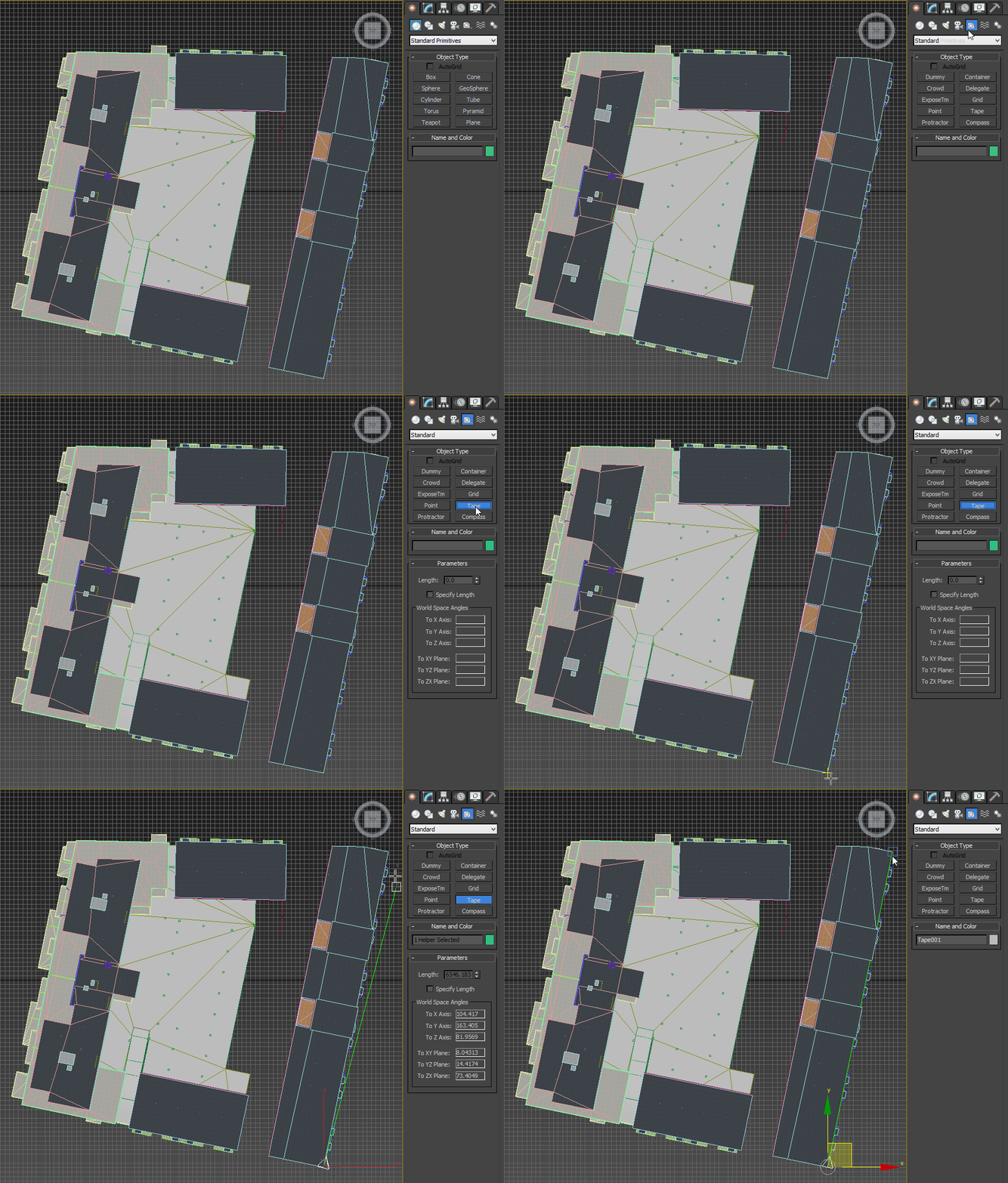
Build with reference to points Tape in Viewport, same as in the picture.
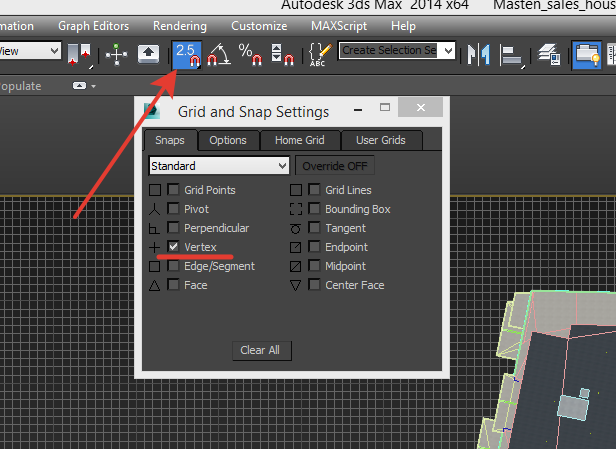
Loading...
Loading...
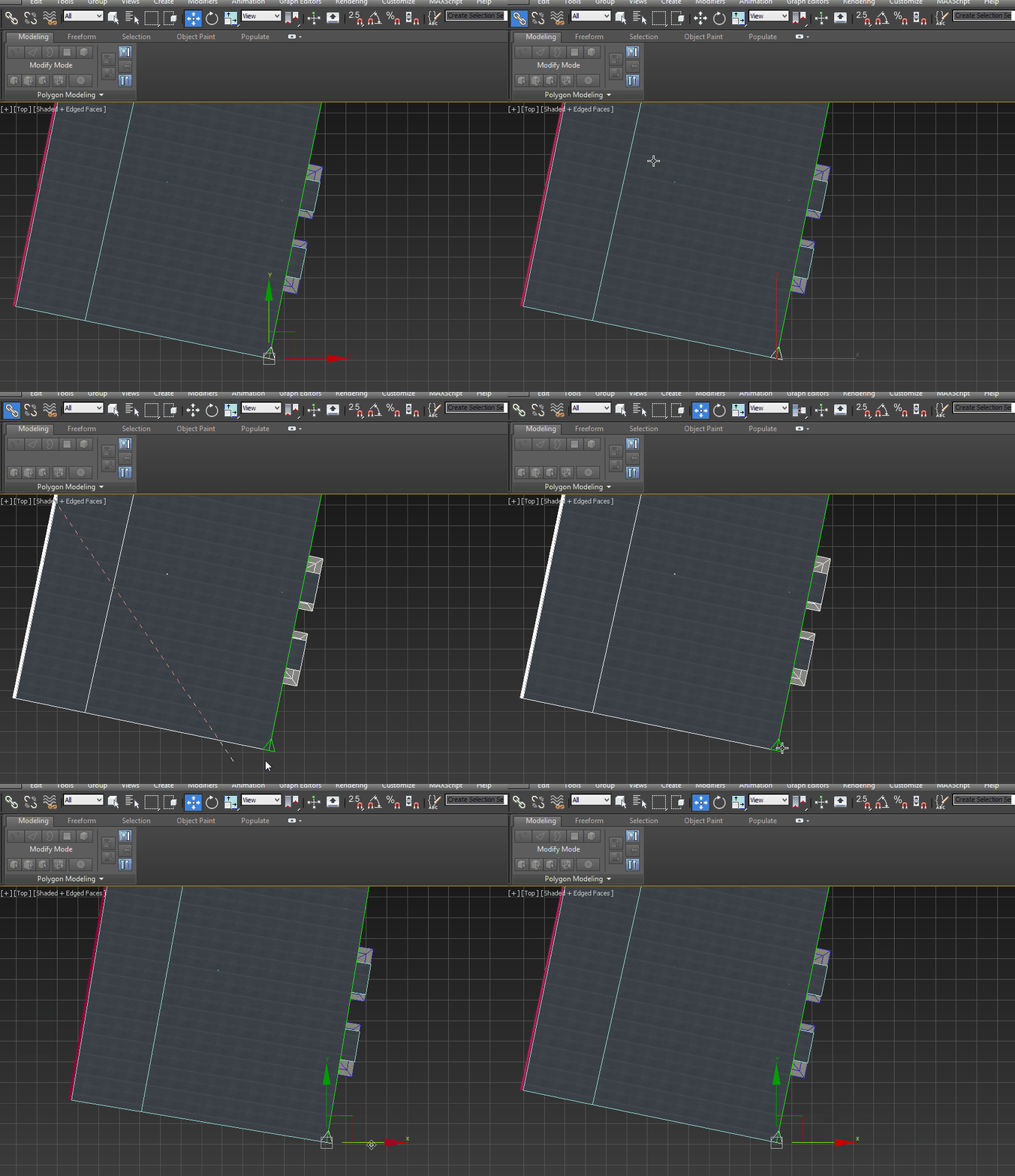
Right now, all the magic will begin. We need to link object to our Tape Helper.
Loading...
After linking try to move the Tape Helper, the object will have to move with Helper. Now by moving the Tape Target you can align the object with itself.
Loading...
Thus it is possible to align absolutely any object or group with respect to another object, Grid or drawing. Write in the comments about your ways of aligning the objects. And whether this method was useful to you.
FAQ
1. What is this article about?
This article explains how to align any object in a 3ds Max scene using the Tape Helper tool without using scripts or additional plugins.
2. What is the Tape Helper used for?
The Tape Helper is a measurement and linking tool that allows you to define a distance between two points and use that relationship to control object positioning and alignment.
3. Why is Tape Helper useful for alignment?
It allows you to create a “live relationship” between objects, where moving the tape or its target can drive precise alignment of geometry in the scene.
4. What is the basic idea behind this method?
You create a Tape Helper between reference points, link the object to the tape, and then use the tape’s target to control and adjust the object's alignment.
5. What is the first step in the workflow?
You place a Tape Helper in the viewport by clicking two points that define the reference direction or distance you want to use for alignment.
6. Why do you need to link the object to the Tape Helper?
Linking makes the object follow the helper, so any transformation applied through the Tape setup affects the object’s position and orientation.
7. What happens after linking the object?
Once linked, moving the Tape Helper affects the object, allowing it to behave as if it is “attached” to the measurement system.
8. How does the Tape Target help with alignment?
By moving the Tape Target, you can precisely adjust direction and position, effectively aligning the object to a reference axis or another object.
9. Can this method replace standard alignment tools?
In some cases yes — especially when you need flexible, manual, and visually controlled alignment without relying on plugins or scripts.
10. What makes this method different from standard Align tools?
Unlike the Align tool, Tape Helper creates a dynamic relationship that can be adjusted interactively by moving helper points.
11. Is this method useful for complex scenes?
Yes. It is especially helpful when working with rotated, imported, or irregular objects where standard alignment may not be sufficient.
12. Can this be used for aligning groups of objects?
Yes, if the objects are linked properly, the same Tape-based system can be used to control multiple elements together.
13. Does this method require scripts or plugins?
No. It uses only built-in 3ds Max tools, making it lightweight and reliable.
14. What are the main advantages of this approach?
It is fast, intuitive, non-destructive, and gives precise control over object alignment using visual references.
15. Are there any limitations?
It requires understanding of linking and helper objects, and can become complex in very large or heavily rigged scenes.
16. Who is this article useful for?
This article is useful for 3ds Max artists, technical directors, environment artists, and anyone working with precise object placement and scene organization.
Vasyl Lukianenko is a 3D artist and technical author focused on practical workflows, optimization, and production-ready techniques. He publishes tutorials, courses, and tools to help artists work faster and get cleaner results.
{{comment.text}}