Creation of the Lamborghini Urus project (WebGL-PlayCanvas). Part 5.

Vasyl Lukianenko
Vasyl Lukianenko
3D Artist and Technical Author
You are reading part: 1 2 3 4 5 6 7 8 9 10

Intro Part 5

This is Part 5 of the tutorial series on building a Lamborghini Urus with WebGL/PlayCanvas.

In the previous part, we figured out how to add geometry and set up materials.

For those who haven't read the previous parts, here's a demo video.


In this part of the tutorial, we will continue to set up materials for the "SM_CarExterior" object.

Access to materials, such as: models in the format "FBX", textures, baked maps "AO" and more, you can get by subscribing to Patreon.

Patreon - 3DGROUND

Setting materials for "SM_CarExterior"

Material EmissiveRed

playcanvas material emissive red preview
Loading...
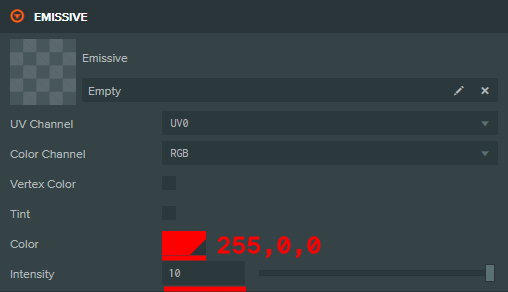
playcanvas material emissive red settings
Loading...

Material GlassRedLights

playcanvas material glass red lights preview
Loading...
playcanvas material glass red lights diffuse and specular settings
Loading...
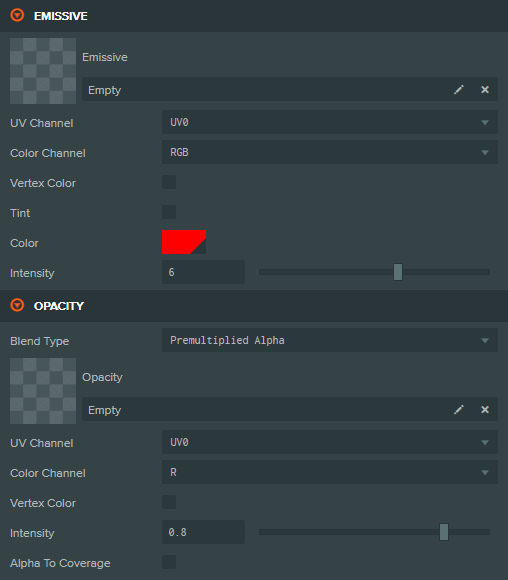
playcanvas material glass red lights emissive and alpha settings
Loading...

Material LightsLedIllum

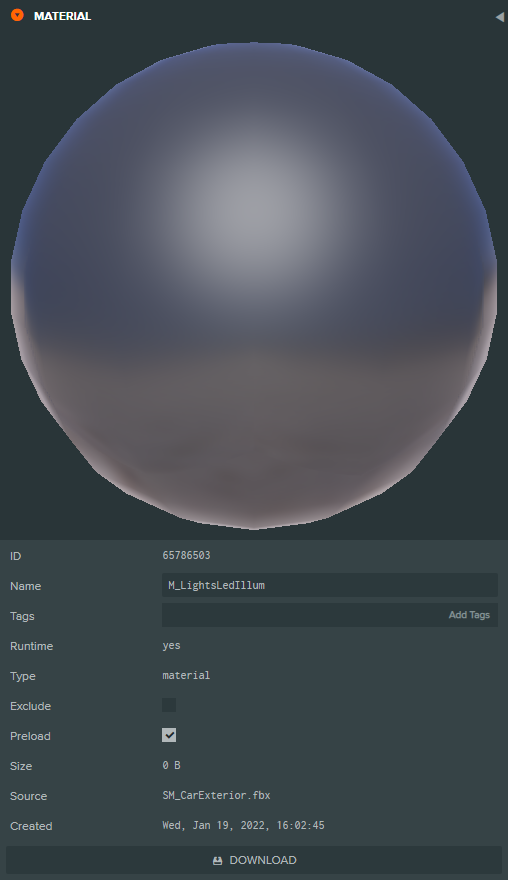
playcanvas material lights led illum preview
Loading...
playcanvas material lights led illum diffuse and specular settings
Loading...
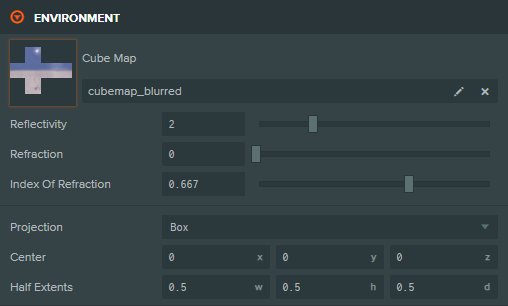
playcanvas material lights led illum environment settings
Loading...
playcanvas material lights led illum result
Loading...

Material BlackLeather

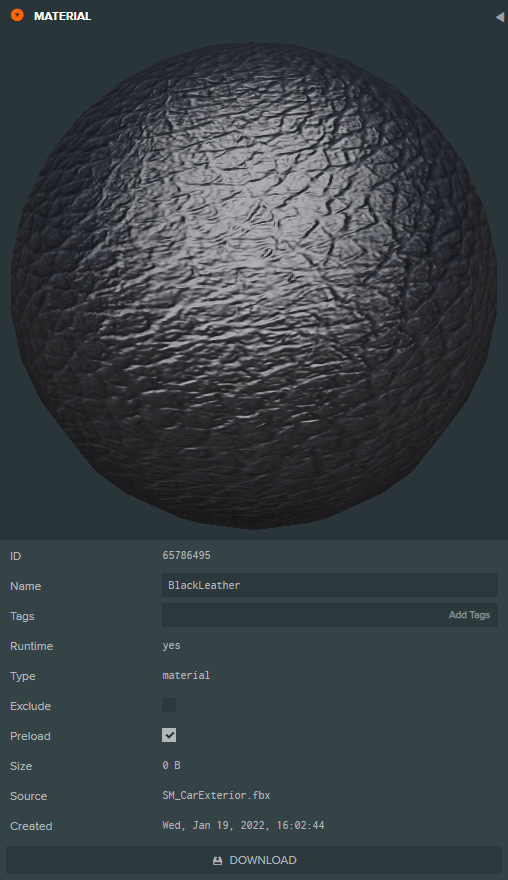
playcanvas material black leather preview
Loading...

In this material, we select the mode for "Shading" with the value "Phong".
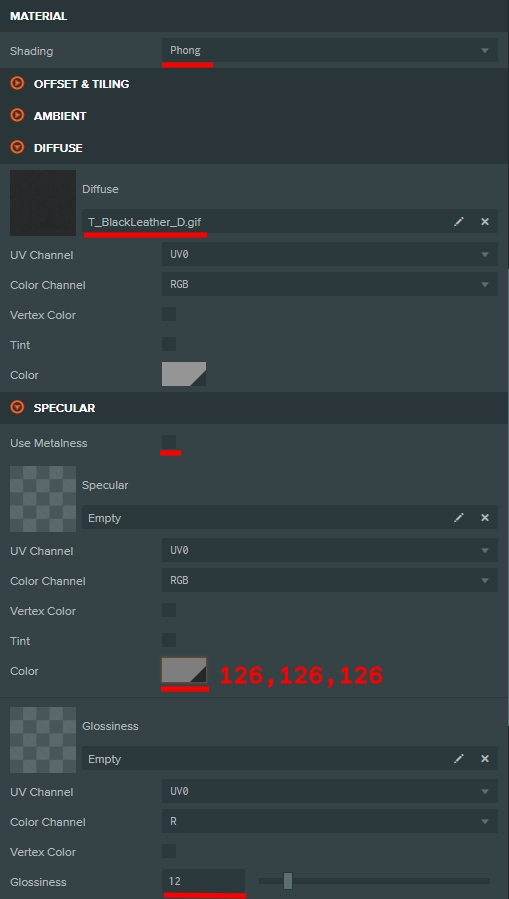
playcanvas material black leather diffuse and specular settings 2
Loading...

As "Diffuse" we use the "T_BlackLeather_D" texture.

playcanvas material black leather diffuse and specular settings 2
Loading...
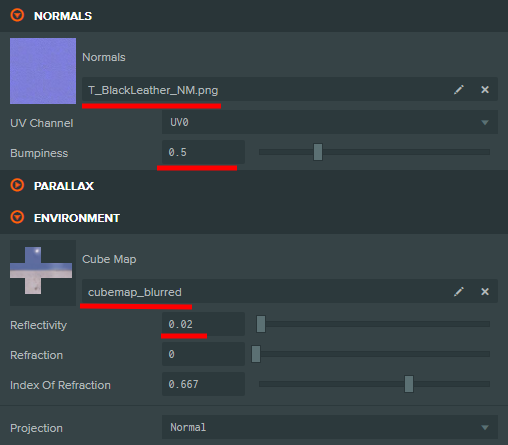
playcanvas material black leather normal and environment settings
Loading...

For "Normals" we use "T_BlackLeather_NM" texture.

t blackleather nm
Loading...

Material Leather

This material is similar to the previous one, so I made a duplicate of the "M_BlackLeather" material by calling the context menu in the "Assets" panel - "Duplicate".

Then I renamed the material to "M_Leather" and used "T_Leather_D" as "Diffuse" texture.

And dragged this material into the ninth slot.

t leather d
Loading...

The door card of the rear doors began to look like this.

playcanvas material leather result
Loading...

Material Number

You can edit this material yourself by adding a license plate texture. But in this example, we'll just leave the material unchanged.

Conclusion
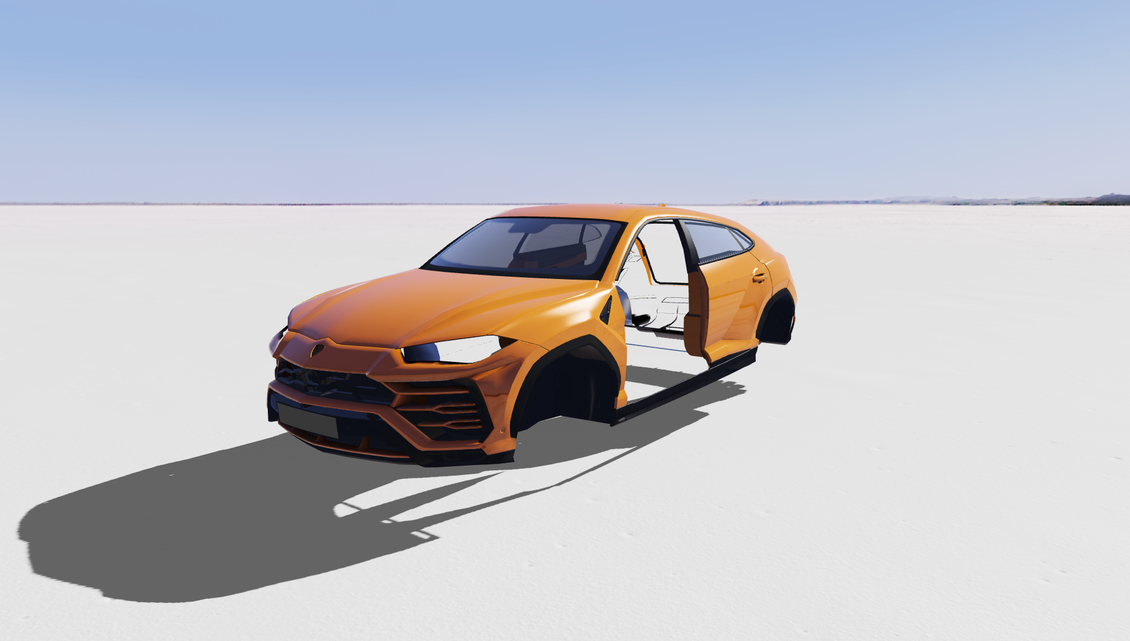
playcanvas car exterior done
Loading...

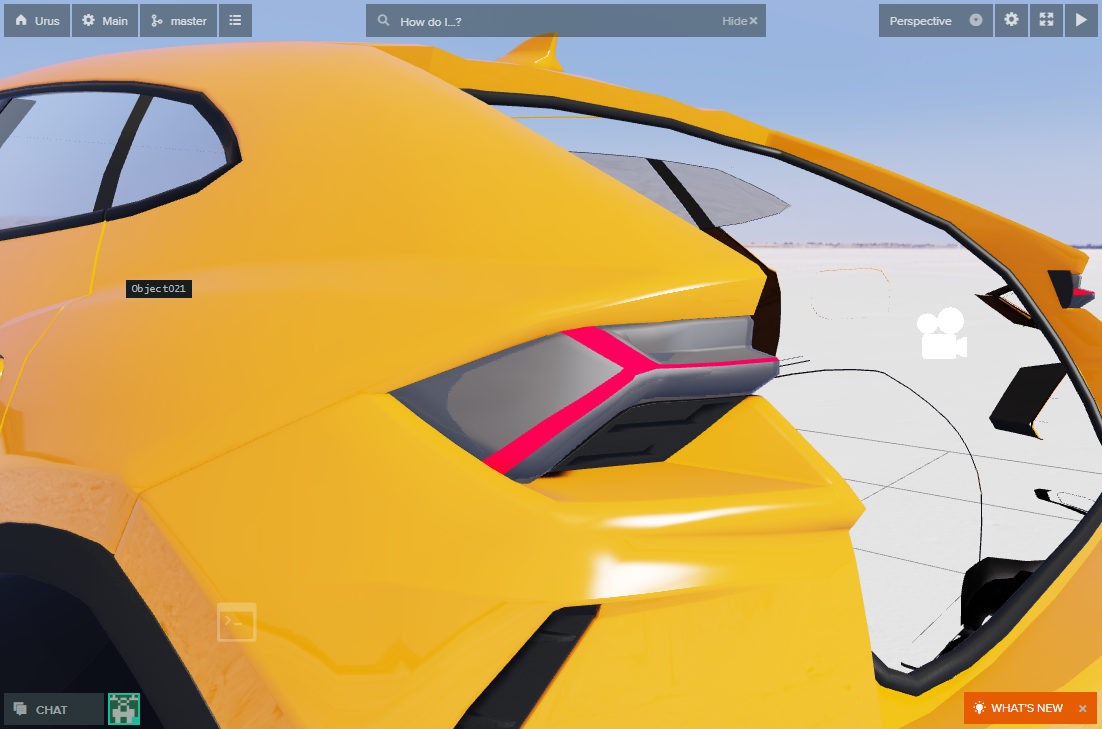
The preparation of the car exterior is completed, all materials are set up. You can press the "Play" button and see how the exterior will look.
Well, in the next part we will continue to add various parts of the car.

You are reading part: 1 2 3 4 5 6 7 8 9 10

FAQ

1. What is this article about?
This article concludes the Lamborghini Urus PlayCanvas series and covers the final stages of developing an interactive WebGL configurator.
2. What is covered in Part 5?
Part 5 focuses on final improvements, optimization, testing, polishing the user experience, and preparing the project for release.
3. Why is final optimization so important?
Before launch, it is essential to ensure that the project runs smoothly across different devices and delivers a reliable user experience.
4. What tasks are typically performed during the final stage of development?
Common tasks include performance testing, bug fixing, interface refinement, feature validation, and deployment preparation.
5. Why is testing a critical part of the process?
Testing helps identify issues before release and ensures that all features work as intended under different conditions.
6. Should the project be tested on multiple devices?
Yes. It is important to verify that the application performs well on desktops, tablets, and smartphones.
7. Which elements are commonly optimized before release?
Textures, materials, lighting, scripts, 3D assets, and user interface components are often reviewed and optimized.
8. Can the project continue to improve after launch?
Yes. Most modern WebGL applications continue to receive updates, improvements, and new features after release.
9. Why is user feedback important?
User feedback helps identify usability issues, discover new requirements, and guide future development decisions.
10. Is PlayCanvas suitable for long-term commercial projects?
Yes. PlayCanvas provides a solid foundation for maintaining and expanding projects over an extended period.
11. What are the advantages of a browser-based configurator?
Users can access the application instantly without downloading or installing additional software.
12. Can new features be added after development is completed?
Yes. PlayCanvas projects can be continuously expanded with new functionality, content, and visual improvements.
13. How important is post-launch support?
Ongoing support helps resolve issues, improve performance, maintain compatibility, and introduce new features.
14. What benefits do customers gain from an interactive configurator?
Customers can explore the product in real time, customize options, and make more informed purchasing decisions.
15. Can the experience gained from this project be applied to other industries?
Yes. Similar technologies are widely used in real estate, e-commerce, manufacturing, product visualization, and many other industries.
16. Who is this article useful for?
This article is useful for PlayCanvas developers, technical artists, WebGL specialists, automotive visualization professionals, and anyone interested in creating interactive 3D applications for the web.
Vasyl Lukianenko
Vasyl Lukianenko
3D Artist and Technical Author
Vasyl Lukianenko is a 3D artist and technical author focused on practical workflows, optimization, and production-ready techniques. He publishes tutorials, courses, and tools to help artists work faster and get cleaner results.
{{commentsMsg}}
  

No one has posted a comment yet
{{comment.lastname}} {{comment.name}} {{comment.date}}
{{comment.text}}
Sponsored content